What a rising water bill can reveal about pool leaks
Most pool owners have at least glanced at a water bill and wondered why it seems a little higher than expected. A small jump might be shrugged off as a change in watering habits or a warm spell. But when the number keeps climbing month after month, and the pool water level seems to stay the same no matter how much you add, something else is going on. That rising water bill is often the first clue that the pool has a leak, and it can point you toward a problem that needs a proper pool leak inspection.
How a water bill tells the story of a leak
A swimming pool holds a large volume of water, and keeping it full takes a steady supply from your outdoor tap or hose. Under normal conditions, you top it off occasionally to replace water lost to evaporation and splashing. In San Diego's climate, evaporation alone can account for a quarter-inch or more of water loss per day during the hotter months. That is normal. But if you are filling the pool every few days, the amount of water going in is far higher than evaporation can explain.
The water meter on your property measures every gallon that passes through. When a leak develops in the pool structure or in the plumbing lines that circulate water to and from the equipment, the water bill reflects that extra consumption. If you track your bill over a few months and see a noticeable increase that does not correspond to a change in household use, the pool is the most likely suspect. A pool that loses an eighth of an inch of water per day due to evaporation is one thing. A pool that loses half an inch or more per day is almost certainly leaking somewhere.
The bucket test as a first check
Before calling for a professional pool leak inspection, you can do a simple test at home to confirm whether the water loss is from evaporation or from a leak. The bucket test is a reliable method that many pool owners use. Fill a standard five-gallon bucket with pool water to about an inch from the rim. Place it on the first or second step of the pool so that the water inside the bucket is at the same level as the pool water. Mark the water level inside the bucket and mark the pool water level on the side of the bucket or on a tile. Then run the pump and filter as you normally would for 24 hours. After that time, compare the two levels. If the pool water level dropped more than the water in the bucket, you have a leak. The bucket accounts for evaporation and normal loss, so any additional drop points to water escaping through a crack, a fitting, or a plumbing line.
Weather conditions can affect the test. Wind and low humidity increase evaporation, so if you run the test during a Santa Ana wind event, the numbers may be skewed. Pick a calm day if possible, and note the weather. The bucket test is a useful screening tool, but it cannot tell you exactly where the leak is. It can only tell you that one exists. That is when a professional pool leak inspection becomes the next logical step.
What a leak inspection involves
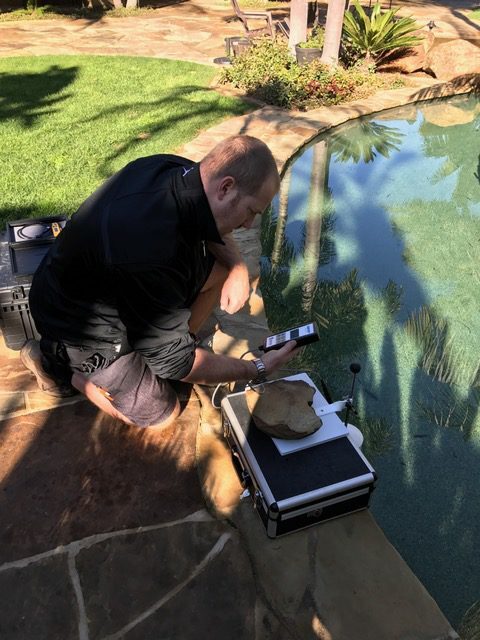
A professional leak inspection uses a combination of visual checks, pressure testing, and sometimes dye testing to locate the source of water loss. The inspector starts by examining the pool surface for cracks in the plaster, gunite, or fiberglass. Small hairline cracks may not be visible to the untrained eye but can let water escape slowly over time. The tiles and coping are also checked, especially if the water level seems to drop below the tile line quickly after a fill. Leaks often occur at the bond beam, the area where the pool wall meets the deck, because that joint is exposed to movement and temperature changes.
Plumbing lines are another common source of leaks. The pipes that carry water from the pool to the pump and filter, and back again, run underground and can develop cracks from ground movement, tree roots, or simple aging. A pressure test on the plumbing lines can reveal whether the system holds pressure or drops quickly. If the pressure drops, the leak is likely in the pipe or a fitting. The inspector may also use a listening device or an electronic leak detector to pinpoint the exact location without digging up the entire yard.
For pools with a spa or attached water features, each separate circulation loop must be tested. A leak in a spa return line can drain water into the ground without any visible sign on the pool surface. The same goes for a fountain or waterfall pump line. A thorough inspection covers all these areas, and the report you get back will tell you where the leak is and how much water is being lost per day. That leak rate is important because it determines how urgent the repair is and how much it is affecting your water bill.
The link between leak rate and the water bill
A slow leak that loses a quarter-inch of water per day might add a few dollars to your monthly bill. A larger leak that loses an inch or more per day can add a significant amount. To put it in perspective, a pool that loses an inch of water over a 500-square-foot surface area loses about 300 gallons per week. At typical San Diego water rates, that could mean an extra thirty dollars or more per month. Over a few months, that adds up to a noticeable increase on the bill. The longer the leak goes unfixed, the more water you pump in, and the higher the bill climbs.
There is also the issue of water chemistry. When you add fresh water to the pool, you dilute the chemicals, which means you need to rebalance the pH, alkalinity, and chlorine levels more often. That costs time and money. If the leak is in the plumbing on the suction side of the pump, air can enter the system, causing the pump to run inefficiently and potentially overheat. That leads to higher electricity use and can damage the pump. A rising water bill is not just about the water itself. It is also about the cascading effects a leak has on your pool equipment and your utility costs.

When to call a professional
The bucket test can confirm a leak, but it cannot tell you where it is or how to fix it. That is where a professional pool leak inspection comes in. The inspector brings tools and experience that most pool owners do not have. If you notice that the water level drops more than half an inch per day, or if you see wet spots in the yard near the pool equipment, those are strong signs that a leak exists. Another sign is air bubbles in the pump basket or water spurting out around the pump lid. Those indicate a suction-side leak that is drawing air into the system.
If you suspect a leak, the best first step is to call a company that specializes in leak detection. For pool owners in the San Diego area, sandiegopoolservice.net offers specialized leak detection for residential and commercial swimming pools, spas, and related plumbing. A professional inspection gives you a clear picture of the problem and a plan for fixing it. It also helps you avoid the wasted expense of filling the pool repeatedly while the water simply drains into the ground.
What happens after the inspection
Once the leak is located, the repair method depends on the type of leak. A crack in the pool surface may be patched with a hydraulic cement or an epoxy filler. A leak in a plumbing line may require digging up the affected section and replacing the pipe. In some cases, a pipe liner or a reaming process can fix the leak without excavation. The inspector can recommend the best approach based on the location and severity of the leak.
After the repair, you should see the water level stabilize, and the water bill should return to its normal range. It is a good idea to keep an eye on the water bill for a month or two after the repair to confirm the leak is truly gone. If the bill stays elevated, there may be a second leak that was not obvious on the first inspection. Most professional leak detection companies offer a follow-up visit or a warranty on their work, so ask about that when you schedule the inspection.

Preventing future leaks is a matter of regular maintenance. Check the pool surface for cracks each season. Keep an eye on the water level and note how much you add each week. If you notice a sudden increase in the amount of water you are adding, do the bucket test. If the test points to a leak, call for a professional pool leak inspection sooner rather than later. The cost of the inspection is usually far less than the water bill you will rack up if the leak goes undetected for months.
Final thoughts on water bills and pool leaks
A rising water bill is not just an annoyance. It is a signal that something is wrong with the pool system. By paying attention to that signal and following up with a proper inspection, you can catch a small problem before it becomes a large one. The bucket test is a simple way to confirm a leak exists, and a professional inspection pinpoints the source. Whether the leak is in the pool surface or the plumbing lines, getting it fixed saves water, saves money, and keeps the pool running efficiently. For pool owners in San Diego, sandiegopoolservice.net provides the specialized leak detection services that can help you get to the bottom of a rising water bill and keep your pool in good shape year-round.